

From Free-to-Play Games to Real-Money Platforms: Where Do Gamers Draw the Line?
 17
17
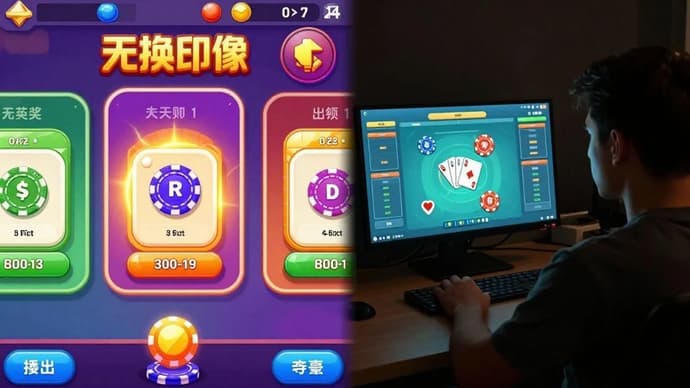
The landscape of video games has dramatically shifted, with monetization strategies becoming increasingly diverse. From cosmetic upgrades to entirely free-to-play models, understanding these approaches and player perceptions of fairness is key. This article explores the core concepts of game monetization, including microtransactions, free-to-play, pay-to-win, loot boxes, and subscriptions, alongside player perspectives on fairness and the ethical considerations involved.
Understanding Free-to-Play and Microtransaction Models
How Microtransactions Shape Player Experience
Free-to-play games often use microtransactions—small purchases within the game—to generate revenue. These can range from cosmetic items that alter appearance to boosts that accelerate progress. While this model allows games to be accessible to a wider audience, it can also lead to debates about fairness, particularly when purchases offer competitive advantages.
Advertising as a Revenue Stream in Free Games
Advertising is another common monetization method in free-to-play games. This can include video ads that players watch for in-game rewards or banner ads integrated into the game's interface. The effectiveness and player acceptance of ads often depend on their intrusiveness and how well they are integrated into the overall gaming experience.
The Role of Cosmetic Upgrades Versus Competitive Advantages
A significant distinction in microtransactions lies between cosmetic upgrades and items that provide competitive advantages. Cosmetic purchases, such as character skins or unique animations, are generally well-received as they allow for player expression without impacting gameplay balance. Conversely, 'pay-to-win' mechanics, where spending money directly enhances a player's performance, often face strong criticism for creating an uneven playing field.
Gambling Mechanics in Gaming: Where Does It Start and Stop?
Certain game mechanics, particularly those involving random rewards, have drawn comparisons to gambling. These systems are designed to create anticipation and excitement, mirroring the psychological hooks found in casino games.
Loot Boxes, Prize Wheels, and Gacha Systems Explained
Loot boxes, prize wheels, and gacha systems are popular monetization mechanics that rely on chance. Players spend in-game currency or real money for a chance to obtain randomized items, characters, or rewards. The appeal lies in the possibility of acquiring rare or valuable items, but the inherent randomness and often low odds for desirable outcomes raise concerns.
- Loot Boxes: Virtual containers offering randomized in-game items.
- Prize Wheels: A spinning mechanism that awards a random prize.
- Gacha Systems: Common in mobile games, these systems offer a chance to obtain characters or items through spending currency.
Parallels Between Video Games and Gambling Habits
The design of these randomized reward systems often employs psychological principles similar to those used in gambling. The anticipation, the near-misses, and the occasional wins can create a compelling loop that encourages continued engagement and spending. This is particularly concerning when these mechanics are accessible to younger players who may not fully understand the risks involved.
The deliberate design behind these mechanics, often informed by behavioral psychology, aims to create a compelling urge to continue playing and spending. This is particularly concerning when these systems are present in games accessible to younger audiences who may not fully grasp the implications or risks involved.
Regulation and Legal Limits on Gambling Mechanics
The overlap between game mechanics and gambling has led to increased scrutiny and calls for regulation in various regions. Some countries have classified certain in-game purchases, like loot boxes, as a form of gambling, leading to legal restrictions. The rapid evolution of monetization strategies presents an ongoing challenge for regulators seeking to protect consumers, especially minors. A quick search for a " casino singapore review " might show how some platforms are perceived in terms of their monetization, and it's often a mixed bag depending on player trust.
Subscription Models and the Rise of Games-as-a-Service
The 'Games as a Service' (GaaS) model has transformed how games are developed and monetized, shifting from one-time purchases to ongoing engagement.
Massively multiplayer online games often utilize monthly subscriptions, providing players with continuous access to evolving worlds and content. This model thrives on regular updates, social interaction, and ongoing support.
Season passes and battle passes have become prevalent, offering tiered rewards unlocked through gameplay over a set period. These systems encourage consistent player engagement and spending, often featuring cosmetic items or exclusive content.
- Constant game updates and major expansions.
- Social aspects (friends, clans, raiding teams).
- Ongoing support, bug fixes, and quality-of-life improvements.
| Model | Key Features | Impact on Players |
| Season Pass | Set of content over months, up-front fee | Planned spending, deadline for completion |
| Battle Pass | Level up for tiered rewards, typically cosmetic | FOMO, steady progression |
| Traditional DLC | Single expansion, one price | Less engagement over time |
The real trick with these passes is that you always feel a little push: you’ve paid, so you want to unlock as much as possible before the season ends. Sometimes it feels less like fun, more like a part-time job—especially when that last skin is just out of reach.
The GaaS model emphasizes ongoing player retention and revenue generation through continuous content updates and engagement loops.
Player Perspectives on Monetization and Fairness
What Gamers Tolerate: Cosmetic Versus Pay-to-Win
Players generally accept microtransactions for cosmetic items that do not affect gameplay. However, 'pay-to-win' mechanics, which offer tangible gameplay advantages through purchases, are often met with significant backlash. This distinction is crucial for maintaining player trust and ensuring a fair competitive environment.
Community Backlash to Predatory Monetization
Aggressive or perceived predatory monetization practices can lead to strong community reactions, including organized protests and negative reviews. Loot boxes, due to their resemblance to gambling, have been a particular point of contention, prompting calls for greater transparency and regulation. Over-monetization, where essential game functions are locked behind paywalls, also fuels player dissatisfaction.
Game Studios Responding to Player Feedback
Many game studios recognize the importance of player feedback in shaping monetization strategies. Adjustments to progression systems, removal of pay-to-win elements, and offering alternative monetization models demonstrate a willingness to adapt to player concerns and foster long-term community engagement.
Ethical and Legal Concerns in Monetization

Targeting Young Players with Gambling-Like Mechanics
The integration of gambling-like mechanics, such as loot boxes, into games accessible to minors raises significant ethical concerns. These systems can normalize risk-taking behavior and potentially lead to problematic spending habits before players fully understand the implications.
The biggest question: are we teaching a whole new generation to get comfortable with real-money gambling before they know the odds?
Calls for Stronger Regulation in Gaming
There is a growing demand for stricter regulations governing monetization practices in video games, particularly concerning gambling-like features. Regulatory bodies are increasingly examining these mechanics to determine if they constitute gambling and require oversight.
| Country | Current Approach | Age Controls |
| Belgium | Bans loot boxes with monetary value | Yes |
| UK | Considering new rules, odds must be shown | Partial |
| Singapore | Heavily regulates real-money gambling | Yes |
Efforts to regulate include demanding transparency in odds disclosure and implementing spending limits. However, the dynamic nature of game development means that new monetization strategies often emerge as old ones are addressed.
Ethical Considerations in Monetization Design
Game developers face ethical considerations in designing monetization systems that are both profitable and fair. Transparency about odds, avoiding exploitative practices, and prioritizing player well-being are crucial for building trust and maintaining a sustainable business model.
Ethical game monetization requires a balance between revenue generation and player experience, with a focus on transparency and fairness.
Frequently Asked Questions
What are microtransactions in video games?
Microtransactions are small purchases made within a game, often for cosmetic items, in-game currency, or to speed up progression. They are a common way for free-to-play games to generate revenue.
How do free-to-play games make money if they don't cost anything to start?
Free-to-play games generate revenue through various methods, including microtransactions for optional items, in-game advertising, and sometimes subscriptions for premium features. The goal is to monetize a portion of the player base while keeping the core game accessible.
What's the difference between cosmetic items and 'pay-to-win' items?
Cosmetic items alter a player's appearance without affecting gameplay. 'Pay-to-win' items, conversely, provide a direct gameplay advantage, allowing players who purchase them to perform better or progress faster than those who do not.
Are loot boxes like gambling?
Loot boxes are frequently compared to gambling due to their randomized nature. Players spend money for a chance to receive virtual items, with the outcome being uncertain and potentially not matching the value of the purchase. This element of chance is a key characteristic shared with gambling.
Why do some gamers get upset about how games are monetized?
Gamers often express dissatisfaction when monetization practices are perceived as unfair, exploitative, or detrimental to the game's integrity. This includes concerns about pay-to-win mechanics, excessive monetization that hinders progression, and the use of gambling-like features, especially when targeted at younger audiences.
What are 'Games as a Service' (GaaS) and how do they make money?
Games as a Service (GaaS) are games designed for long-term engagement, supported by continuous updates and new content. Revenue is typically generated through ongoing monetization strategies such as microtransactions for cosmetic items, battle passes, and sometimes subscriptions, ensuring a sustained player base and revenue stream.

Kateryna Prykhodko é uma autora criativa e colaboradora de confiança do EGamersWorld, conhecida pelo seu conteúdo cativante e atenção aos pormenores. Combina a narração de histórias com uma comunicação clara e ponderada, desempenhando um papel importante tanto no trabalho editorial da plataforma como nas interações nos bastidores.
 Crimson Desert Dimensional Labyrinth Abyss Puzzle - Caminho completo e soluçãoO puzzle Abismo do Labirinto Dimensional do Deserto Carmesim requer Palma da Força, núcleos Axiom e quatro círculos de prata para ser resolvido.
 vitaliiD
 Como entrar na Mansão Lioncrest - Solução de quebra-cabeças de caixa forte para Crimson DesertA Mansão Lioncrest de Crimson Desert requer uma subida à janela do segundo andar - eis como entrar.vitaliiD
 Tudo o que sabemos sobre Sansão: Uma História de TyndalstonTudo o que sabemos sobre Samson: A Tyndalston Story - data de lançamento, jogabilidade, história e caraterísticas do jogo de ação intensa da Liquid Swords que se passa numa cidade dura e implacável.
 fauesde
 Como resolver todos os enigmas de Sanctum em Crimson DesertDescobre como resolver todos os puzzles de Sanctum em Crimson Desert - Guia completo de Sanctums, mecânica principal e recompensas.
 Dima Ostapchuk